
Summer and winter tires are specifically engineered for different weather conditions, and understanding their differences can significantly improve driving safety.
Summer Tires
Summer tires are designed for warm weather and provide excellent grip on both dry and wet roads. Their rubber compound remains firm at higher temperatures, delivering better handling, shorter braking distances, and improved fuel efficiency.
Winter Tires
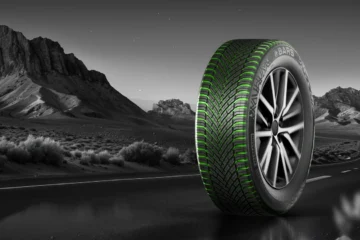
Winter tires are manufactured using softer rubber compounds that remain flexible in cold temperatures. Their deeper tread patterns and additional sipes improve traction on snow, ice, and slushy roads while reducing the risk of skidding.
Which Tire Should You Choose?
- Choose summer tires for warm climates and temperatures consistently above 7°C (45°F).
- Choose winter tires when driving in cold weather, snow, or icy conditions below 7°C (45°F).
Using the correct seasonal tire not only improves safety but also extends tire life and enhances overall vehicle performance.
0 Comments